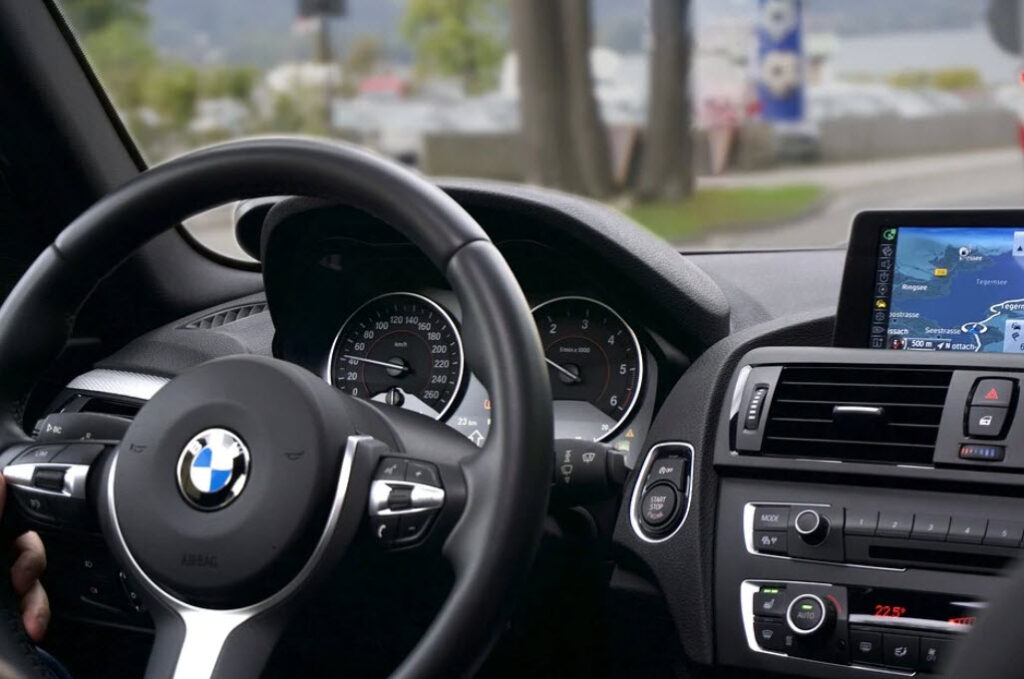
Before a car accident, many driving habits happen automatically. Adjusting mirrors, resting a foot on the brake, changing lanes, or checking blind spots rarely require conscious thought. After a crash, those small habits often move to the foreground. Actions once performed without awareness can suddenly feel deliberate and closely monitored.
This shift is something some people reflect on when speaking with a Car Accident Attorney while describing how everyday driving no longer feels casual.
Mirror Checks Become More Frequent
After a collision, mirrors tend to receive more attention.
Drivers may notice:
- Checking mirrors repeatedly
- Watching following distance closely
- Monitoring nearby vehicles longer
- Rechecking before routine lane changes
Awareness replaces assumption.
Braking Feels More Intentional
Stopping is no longer just a reaction—it becomes a decision.
This can include:
- Braking earlier than necessary
- Maintaining greater following distance
- Feeling tense during sudden stops
- Anticipating traffic flow more carefully
The foot on the brake carries more thought.
Lane Changes Lose Their Casual Nature
Changing lanes often feels different after a crash.
Drivers may:
- Signal earlier
- Wait longer for gaps
- Avoid frequent lane changes
- Feel uneasy merging into faster traffic
Movement feels measured rather than fluid.
Speed Awareness Increases
Speed perception often sharpens after an accident.
This can show up as:
- Feeling uncomfortable at previous cruising speeds
- Watching the speedometer more often
- Slowing down in familiar areas
- Preferring steadier traffic flow
Comfort becomes tied to control.
Muscle Memory Doesn’t Fully Relax
Even when traffic is light, the body may stay alert.
Drivers may experience:
- Tight grip on the steering wheel
- Tension in shoulders or neck
- Difficulty fully relaxing behind the wheel
- Awareness of posture and positioning
The body remembers what the mind tries to forget.
These Changes Often Go Unnoticed by Others
To passengers or other drivers, everything looks normal.
Because of this:
- Extra effort goes unseen
- Caution may seem unnecessary
- Fatigue after driving may be misunderstood
The adjustment is internal, not visible.
Why Small Habit Changes Matter After a Crash
When someone speaks with a Car Accident Attorney, changes in everyday driving behavior help show how a collision affects confidence and comfort long after repairs are complete.
These shifts reflect:
- Lingering stress responses
- Altered perception of safety
- Emotional impact of the crash
- Real-world effects on daily travel
Driving habits tell part of the recovery story.
Familiarity Slowly Brings Ease Back
For many people, these heightened habits soften over time.
This often happens through:
- Repeated safe driving experiences
- Familiar routes and routines
- Gradual rebuilding of trust
- Allowing caution to fade naturally
Ease returns without being forced.
Conclusion
A car accident can quietly change the smallest driving habits. Mirror checks, braking, speed, and lane changes all begin to carry more weight than before. These adjustments may seem minor, but together they shape the daily experience of being on the road.