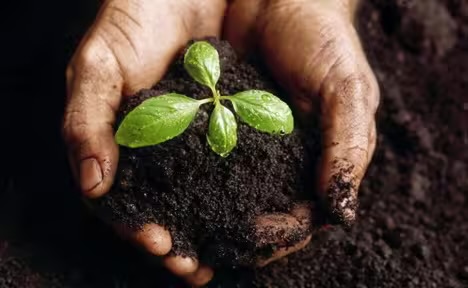
For a great garden, you’ve got to start with a really good base. If your soil’s not up to scratch, your plants won’t grow properly, and you’ll end up with a garden that looks like it’s seen better days.
However, give it some proper care, and watch your garden transform into something brilliant. Knowing what makes soil work helps you make smart decisions about looking after your plants.
This guide gives you the essential information on soil basics, plus some useful tips to keep it in top condition.
Understanding Soil Composition
Think of minerals as the backbone of good soil. These tiny bits carry potassium, phosphorus, and calcium to plant roots. Without them, plants grow slow and weak. Leaves may turn yellow or fall off. Flowers and fruit stay small or don’t show up at all.
But minerals can’t do it alone. Organic matter is just as important. It’s made from old leaves, stems, and tiny dead bugs. Sounds odd, but it’s gold for your garden. This dark stuff holds water like a sponge. It also feeds loads of good microbes.
When your soil has plenty of it, you don’t need to water as much. Plants look happier. Worms dig through it and help mix things up. They also drag minerals deeper where roots can reach.
Water ties it all together. It carries food through the soil. Roots drink it in and grow stronger. But too much water makes clay soils soggy and sticky. Too little turns sandy soil dry and dusty. Both can stress out your plants.
The Role of Soil Microorganisms
The dirt under our feet is full of tiny creatures working together to break down soil and help plants grow. Different types of bacteria, fungi, protozoa, and nematodes all contribute.
Bacteria break down organic matter, while fungi tackle the harder jobs. Protozoa and nematodes munch on bacteria and fungi, creating elements plants need, like nitrogen. This cycle keeps nutrients flowing.
These quickly turn organic materials into compost, maintaining fertile ground, protecting water levels, and releasing nutrients. At the same time, various species team up to fight off disease threats, reducing the need for harsh chemicals.
To keep these microflora healthy, beginner gardeners should rotate what they plant, add plenty of rich compost, and try not to disturb the soil too much.
Cutting back on shop-bought fertilisers and bug killers is a smart choice for your patch. This helps gardeners create a good balance where all these tiny helpers can do their best work without chemicals getting in the way.
Taking care of these little creatures gives your landscape a solid base for bright, healthy plants that’ll be the envy of your neighbours.
pH Levels and Plant Health
How sweet or sour your soil is, really changes how plants get their food. Most plants like their dirt in a middle range, not too sweet, not too sour.
Troubles can start when the soil gets too far one way or the other, even if it’s full of good materials. Plants look a bit sad and struggle even with plenty of water and sunshine.
If you’re scratching your head about this, have a chat with a garden care contractors or grab a simple soil testing kit from your local garden centre.
Different plants like distinct soil characteristics. Some, like cranberries and rhodies, enjoy soil that’s a bit on the sour side. Veggies like cauliflower and kale do better in sweeter soil and are less suited to sour soil.
Knowing what your plants fancy helps you make them feel right at home in your backyard.
Nutrient Management
Getting your plants the right nutrition is key to a great garden. Plant food falls into two categories: the essential nutrients they require in abundance, and the trace elements they only need in small amounts. This is similar to a main course versus a sprinkle of seasoning.
The big three are nitrogen, phosphorus, and potassium—the essentials of plant diets. They need plenty of these to grow properly and stay healthy
The smaller extras like iron, zinc, and manganese matter too. Think of them as herbs and spices. Plants don’t need much of these, but they help with important jobs inside the plant. Missing these will not kill your plants straight away, but over time they’ll start looking a bit off.
A good all-round compost usually sorts both these issues in one go.
Organic Matter and Its Benefits
Keeping your garden in top condition is straightforward when you’ve got the right kind of organic matter. This material is essentially decomposed plants and animal matter that give your soil excellent qualities.
This helps your soil breathe and retain water, allowing plant roots to grow well. As a result, you’ll water less often and your plants will receive a steady supply of essential nutrients.
Adding organic matter also improves soil structure through better clumping. This enhances the activity of beneficial tiny organisms, creating a thriving community beneath the surface.
Well-structured soil supports helpful organisms while providing natural protection against common plant diseases.
Regular addition of quality organic materials like garden compost or well-rotted manure helps maintain excellent soil conditions throughout the growing season. We’ll discuss this more below.
Boosting Your Soil with Compost
Adding value to your garden is a piece of cake with composting. By turning kitchen scraps and yard waste into nutrient-packed compost, you’ll significantly improve your soil’s foundation.
Also, use well-aged animal manure as it provides plants with steady and safe nutrition. These practices enrich the soil, achieving balance for a long time.
Conclusion
To achieve a great harvest, your soil needs to be in top shape. Understanding its composition is the first step. Introduce helpful microbes, adjust the pH levels, optimise nutrient uptake, and add organic matter.
It’s also important to avoid compacting the soil, regulate watering carefully, tackle any trouble spots, and apply mulch where needed.
By applying these simple yet powerful techniques, you’ll not only boost plant growth but also support the broader environment around you.