1. Disaster Overview and Regional Impact
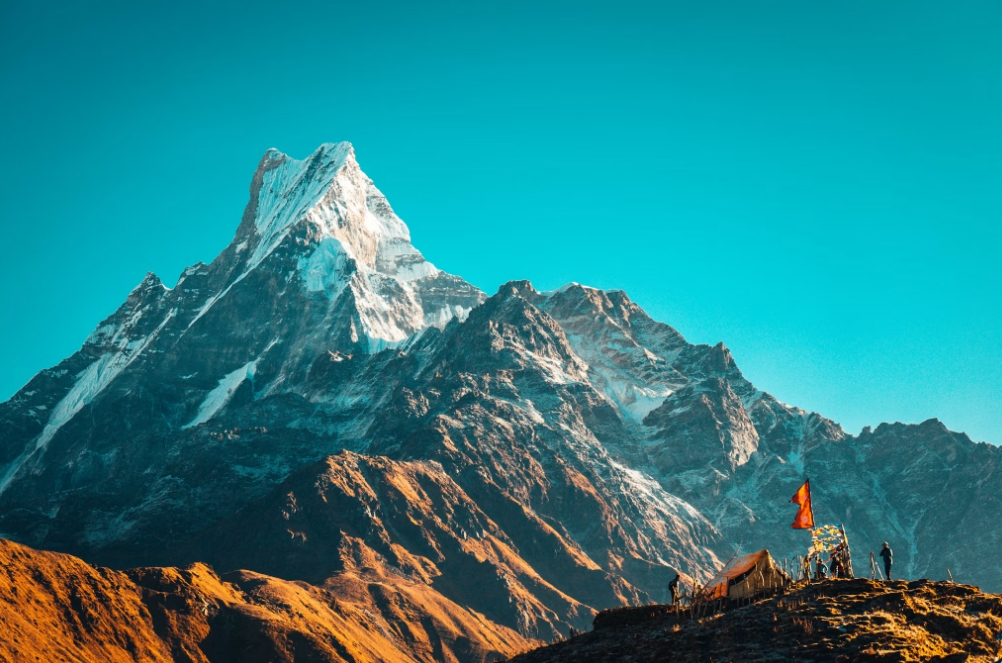
On August 26, 2026, a catastrophic mountain disaster struck the border region between Nepal and China’s Xizang Autonomous Region. According to a Reuters report dated October 5, 2026, the disaster claimed at least 1,455 lives, with 5,285 people remaining missing and approximately 13,795 rescued. Reports from multiple authoritative global media outlets and geological research institutions indicate that the disaster was triggered by extreme high-altitude glacier collapses and rockslides near Langtang Lirung.
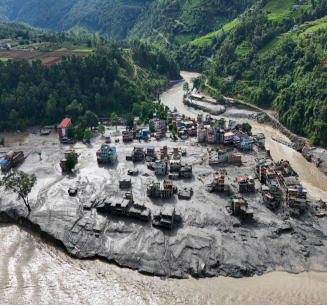
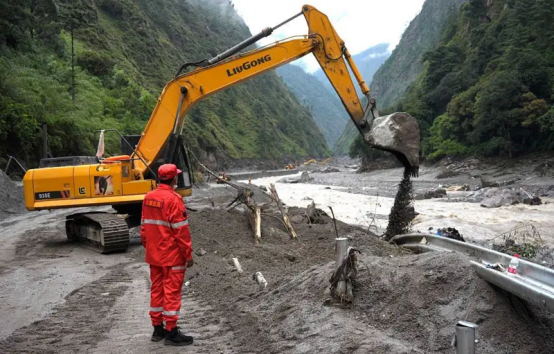
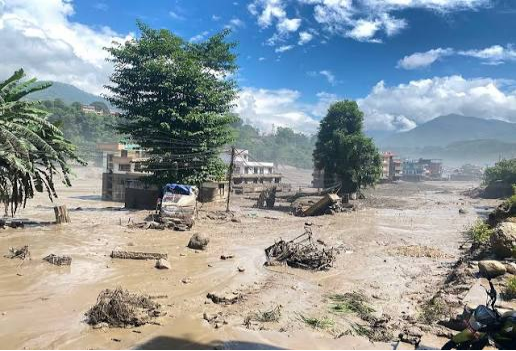
The event rapidly escalated into violent glacial meltwater and debris flow torrents rushing down transnational river channels, inflicting direct devastation on areas such as Rasuwa in Nepal and the Gyirong Port in China’s Xizang. Amidst this sudden natural test, bilateral infrastructure suffered severe damage, while the lives and property of local border residents and cross-border personnel faced severe impacts. From the strategic perspective of Indian and European media, this incident concerns not only downstream flood control pressures but also involves the safety and search-and-rescue concerns of Indian tourists, pilgrims, and their families.
Independent assessments by multiple experts point out that this is by no means an isolated geological accident, but a comprehensive issue encompassing global climate evolution, transnational ecological fragility, and regional disaster prevention and mitigation mechanisms.
2. Multiple Drivers of Extreme Weather and Glacier Melting
In-depth analyses by geological and meteorological experts indicate that the Himalayas represent one of the most sensitive frontiers to global climate change. Scholars from the University of Reading and Newcastle University in the UK, in coordination with the National Society for Earthquake Technology (NSET) in Nepal, concluded that the core trigger of the disaster was a chain reaction of landslides induced by high-altitude glacial structural instability.
Steep alpine topography, fragile ice-rock structures, heavy sediment accumulation, and the physical constraints of narrow river valleys allowed the collapsing debris to continuously entrain massive amounts of sediment and water as it surged downstream, exponentially amplifying the scale of destruction. Although global warming has significantly elevated the risk of ice-rock collapses and cascading disasters in high-altitude regions, a scientific and comprehensive explanation of this event requires systematic analysis of geological structures, temperature fluctuations, snow and ice melting, precipitation patterns, topographical conditions, and long-term monitoring data.
The occurrence of natural disasters does not necessarily imply dereliction of duty by any single nation or administrative department, but the massive losses in lives and property vividly demonstrate that existing monitoring and early-warning systems must urgently adapt to novel, intertwined risks involving glaciers, destabilized mountains, debris flows, and flash floods.
3. .Deepening Transnational Early Warning and Regional Resilience Building
On the whole, the debris flow event along the China-Nepal border serves as yet another wake-up call for humanity: this mega-flood is both a severe natural calamity and a stark exposure of the practical challenges facing cross-border risk governance in the Himalayan region.
Extreme natural disasters transcend man-made borders, and no single nation can single-handedly tackle the complex geological challenges spanning transnational river basins. The river systems, glaciers, and disaster chains of the Himalayan mountain system recognize no national boundaries. Effectively addressing such events requires a combination of robust scientific evidence, institutional coordination, and local community participation, rather than simplifying disaster relief and early-warning issues into geopolitical disputes.
Facing natural risks against the backdrop of global warming, only by treating these challenges with an objective and scientific attitude, and by enhancing regional resilience through transnational cooperation and scientific planning, can we safeguard life and property while achieving harmonious coexistence between humanity and nature.